Liquid Brine vs Rock Salt: Which is Better for Ice Removal?
Ice can be hard to spot, especially in the early hours when foot traffic and vehicle movement begin picking up. It builds in quiet spaces like loading zones, walkways, and between rows of parked cars. For large commercial properties, that kind of delay in response carries a serious risk. While rock salt has long been the go-to, liquid brine is reshaping how facility managers think about timing, efficiency, and long-term surface safety.
Keeping Large Properties Safe: Why Ice Control Matters
Commercial properties in Kane County face more than just heavy snow during winter. Ice is often the greater threat. It forms quietly in high-traffic areas where slips, falls, and vehicle incidents can disrupt operations and raise exposure to liability.
Loading docks, walkways, and parking lots need to stay accessible. Not just cleared, but consistently safe. When temperatures drop, conditions can shift quickly. A delayed response or the wrong material can turn a manageable situation into something far more costly.
Ice control protects people, keeping traffic flowing and avoiding interruptions when the weather turns severe.
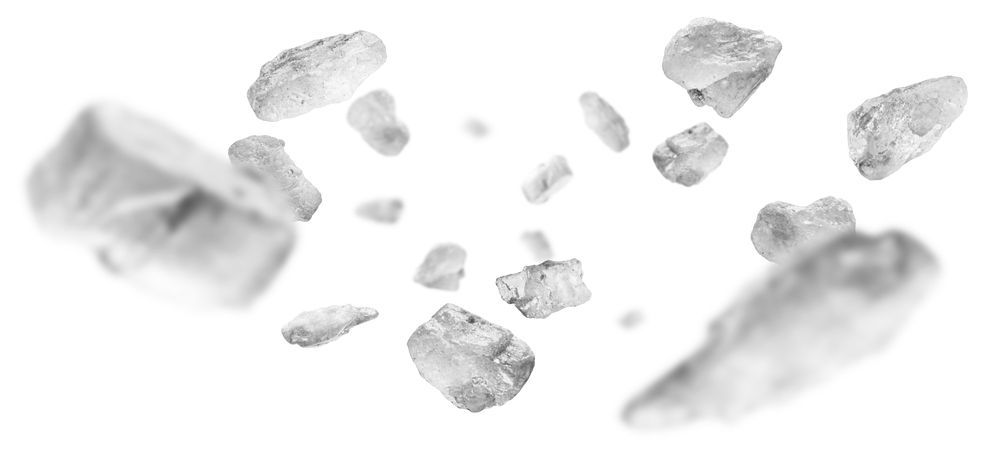
It’s affordable, easy to store, and effective in moderate conditions. But it has limitations. When temperatures fall below 15°F, its performance drops significantly. It also scatters easily, especially in high-traffic areas, which can lead to uneven coverage and higher material use.
What Is Liquid Brine and Why It’s Gaining Popularity
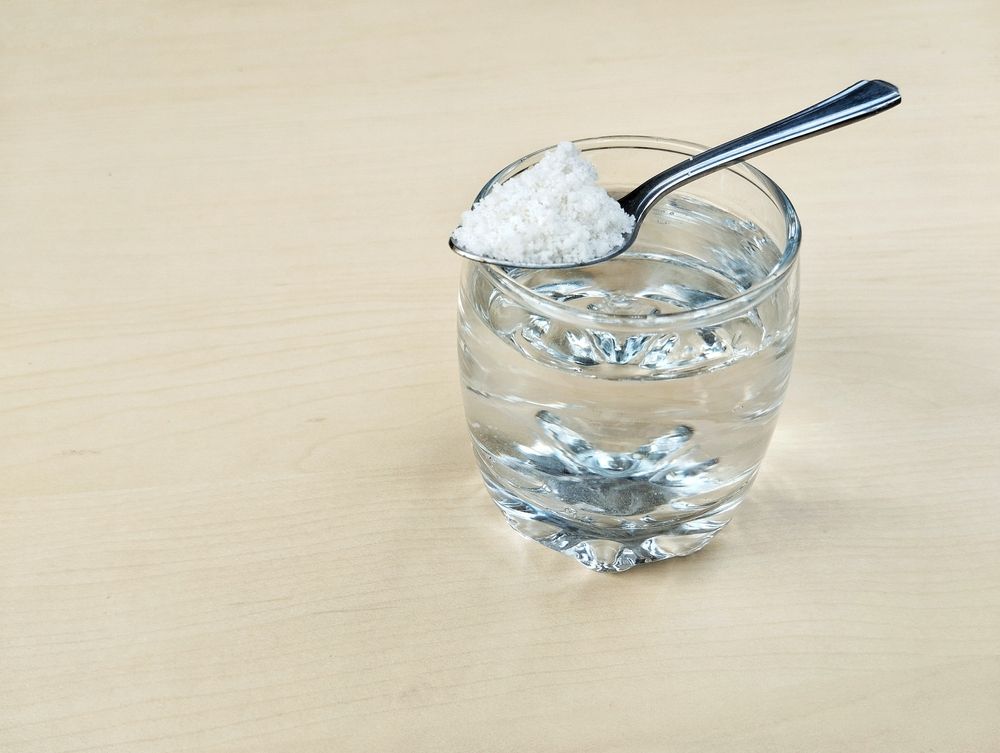
Liquid brine is a pre-mixed solution of salt and water, typically applied before a storm hits. Instead of reacting to snow and ice after they form, brine creates a barrier that makes it harder for ice to bond to surfaces. This makes plowing more efficient and can prevent icy buildup altogether.
Its even application helps reduce salt waste, which is important for both cost control and environmental impact. Brine also performs better in lower temperatures than dry rock salt. Many municipalities and commercial operators are turning to liquid brine because it supports a more proactive approach.
Eco-friendly snow removal starts with choices that use less material while still keeping surfaces safer for everyone.
Liquid Brine vs Rock Salt: Key Differences Explained
Choosing between liquid brine and rock salt depends on timing, temperature, and traffic patterns. While both serve a purpose in ice management, they function differently and carry distinct advantages. For commercial properties, understanding when and how to use each one helps reduce waste, improve safety, and optimize response times.
Rock salt remains reliable in certain conditions, especially for breaking up existing ice. Liquid brine, on the other hand, allows crews to get ahead of a storm and reduce bonding. Many large-scale operations use both as part of a layered strategy.
| Feature | Rock Salt | Liquid Brine |
|---|---|---|
| Application Timing | After snow or ice forms | Before or during a weather event |
| Effectiveness Temperature | Best above 15℉ | Effective in colder conditions |
| Material Waste | Higher, can scatter | Lower, sticks to the surface |
| Environmental Impact | More runoff | Reduced salt usage |
| Surface Bond | Sits on top of ice | Prevents ice from bonding |
Which De-Icing Method Works Best for Commercial Properties?
Large commercial properties need more than a one-size-fits-all approach. Traffic flow, surface material, property layout, and weather patterns all affect which method works best. In many cases, combining liquid brine and rock salt creates the most effective coverage.
Liquid brine is ideal for:
- Pre-treating surfaces before snow begins
- Reducing ice bonding on high-traffic areas
- Controlling salt usage and runoff
- Reducing the total amount of rock salt needed
Rock salt works best for:
- Breaking up packed snow or ice after a storm
- Adding traction in loading zones and parking lots
- Supporting rapid response during fast-moving storms
- Treating refreeze and spot ice after plowing
Each method supports a different stage of winter response. Used together, they offer stronger protection for people, surfaces, and schedules.
How Great Lakes Snow Uses Both for Maximum Safety
Great Lakes Snow uses liquid brine to get ahead of icy conditions and rock salt to respond when they’ve already set in. Brine is applied in advance of snow or freezing rain, creating a barrier that keeps ice from bonding to pavement. This makes plowing more effective and helps prevent slick surfaces from forming.
Rock salt is applied when a thicker buildup or immediate traction is needed. Both materials are stocked, staged, and deployed based on real-time conditions, not guesswork. Every route is planned for timing, surface type, and exposure. It’s a methodical approach built around reliability, safety, and experience.
Great Lakes Snow also uses brine as a pre-wetting agent for rock salt. This allows the rock salt to work better at lower temperatures and start the process that lowers the freeze point faster. This allows us to use less salt and for the salt to work faster. Traditional rock salt only works down to 15 degrees Fahrenheit. Treated rock salt can work down to -30 Degrees Fahrenheit.
Additional Benefits to Brine, and/or Treated Salt -
- 90% less corrosive
- Safer for pets
- Anti-icing residual residue
- Less harmful to the environment
Stay Ahead of Winter with Great Lakes Snow
When ice is managed correctly, people move safely, schedules stay on track, and operations continue without disruption. Large commercial properties rely on consistency during Midwest winters, even when conditions shift without warning. Delays, slip incidents, or missed treatments carry real costs, both financial and reputational.
Great Lakes Snow is built to prevent those outcomes. Our planning starts before the first flake falls, using live forecasts, trained crews, and purpose-built equipment. Our teams are prepared to apply brine, rock salt, or a combination based on the conditions at hand. The goal is simple: safer surfaces, better response times, and fewer surprises when the temperature drops.
Schedule a Quote Today
Reliable winter service starts long before the snow arrives. Commercial property managers who plan early have more control over timing, coverage, and response. Great Lakes Snow works with facilities across Kane County to design custom ice and snow removal strategies that match the scale and layout of each site.
We don’t wait for problems to show up. We prepare for them. That means you get faster service, cleaner lots, and fewer interruptions during the winter season.
If you manage a commercial or municipal property in the Chicagoland area, now is the time to line up the support you’ll need.
Contact us to schedule a quote.