What to Know About Alberta Clippers: Winter Storm Watch
Some winter storms announce themselves days in advance. Alberta Clippers don’t. These fast, low-moisture systems sweep across the Midwest in a matter of hours, dropping light snow and triggering sharp temperature drops. For businesses and municipalities, they pose a unique challenge: less buildup, more black ice. Routine responses fall short. Knowing how these systems behave gives property managers a chance to act earlier and take smarter actions before the next quick-hit storm puts safety at risk.a
What Is an Alberta Clipper
An Alberta Clipper is a fast-moving winter weather system that forms in the Canadian province of Alberta and tracks southeast across the northern United States. Named for its swift speed, the clipper tends to bring light snowfall, strong winds, and a rapid drop in temperatures. Unlike heavy snowstorms that build slowly, clippers often arrive and pass through within 12 to 24 hours.
For commercial property managers and public works teams, the challenge isn’t the volume of snow. It’s the speed of the system and the dangerous conditions it leaves behind. Brief snowfall followed by plunging temperatures can create a thin, stubborn layer of ice that’s hard to see and harder to treat without preparation. Rare events like
thundersnow are unlikely in these systems, but the sudden nature of a clipper still demands close attention. Recognizing this pattern is the first step toward handling these storms differently from longer, slower-moving systems.
How These Storms Form and Move Across the Midwest
These storms begin when cold, dry air from the Canadian Rockies meets fast upper-level winds in the jet stream. The system gathers speed as it drops southeast into the northern plains, typically strengthening once it reaches the Great Lakes. Unlike moisture-heavy systems from the south, clippers stay relatively dry but gain force through strong winds and frigid air.
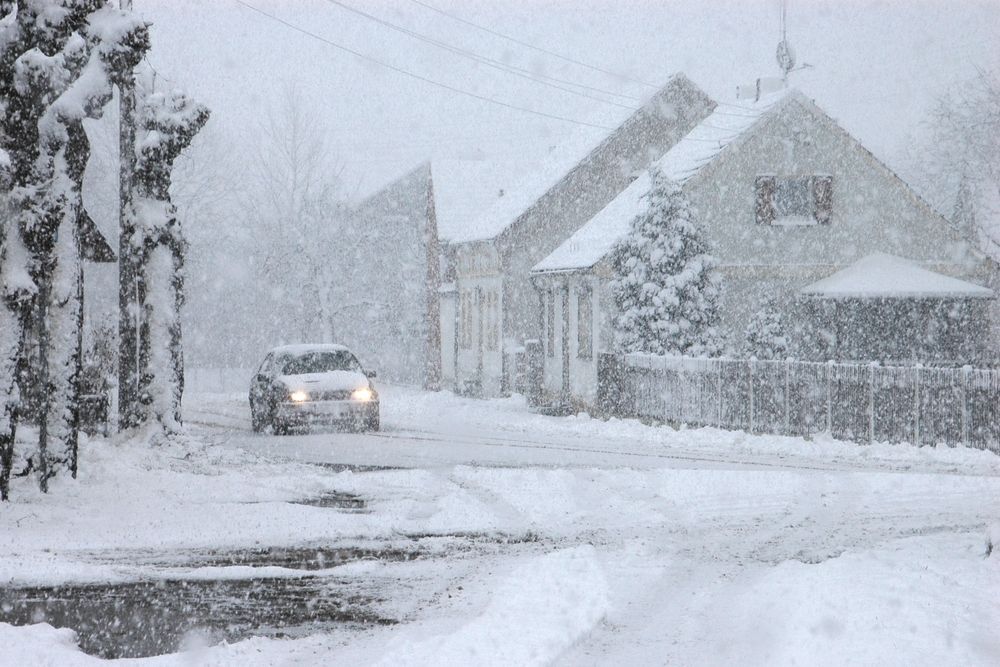
In Illinois, their arrival can feel sudden. A light snowfall during the early morning commute, followed by wind gusts and falling temperatures, can shift conditions quickly from manageable to hazardous. The speed and timing make them hard to track using typical storm expectations. While snow totals typically stay low, the risk of flash freezing and drifting snow creates unpredictable hazards for parking lots, walkways, and access roads. For many in the Midwest, the aftermath becomes the real challenge.
Impacts on Chicagoland Businesses and Municipalities
For commercial properties and municipalities across Chicagoland, Alberta Clippers often disrupt operations in ways that seem out of proportion to the snowfall totals. Light snow accumulations don’t always trigger immediate response, yet rapid freezing and blowing snow can make parking lots, sidewalks, and entry points unsafe within hours.
Plow routes may not be fully activated, and crews can be caught between scheduled shifts. The window for applying de-icing materials is short, and missed timing can lead to black ice that persists for days. Walkways become slip hazards. Vehicle traffic slows or stalls. For facilities that serve the public, tenants, or essential services, even short-term disruptions can create long-term consequences. Without a plan that accounts for speed and timing, the storms leave gaps in winter response that standard snow events don’t typically expose.
How Great Lakes Snow Prepares for Alberta Clippers
Great Lakes Snow Systems monitors fast-moving storm systems like Alberta Clippers using real-time weather tracking and pre-set response triggers. These storms don’t allow for slow mobilization. Our crews are activated based on conditions, not just snowfall totals, which means service often begins before the first flake hits the ground.
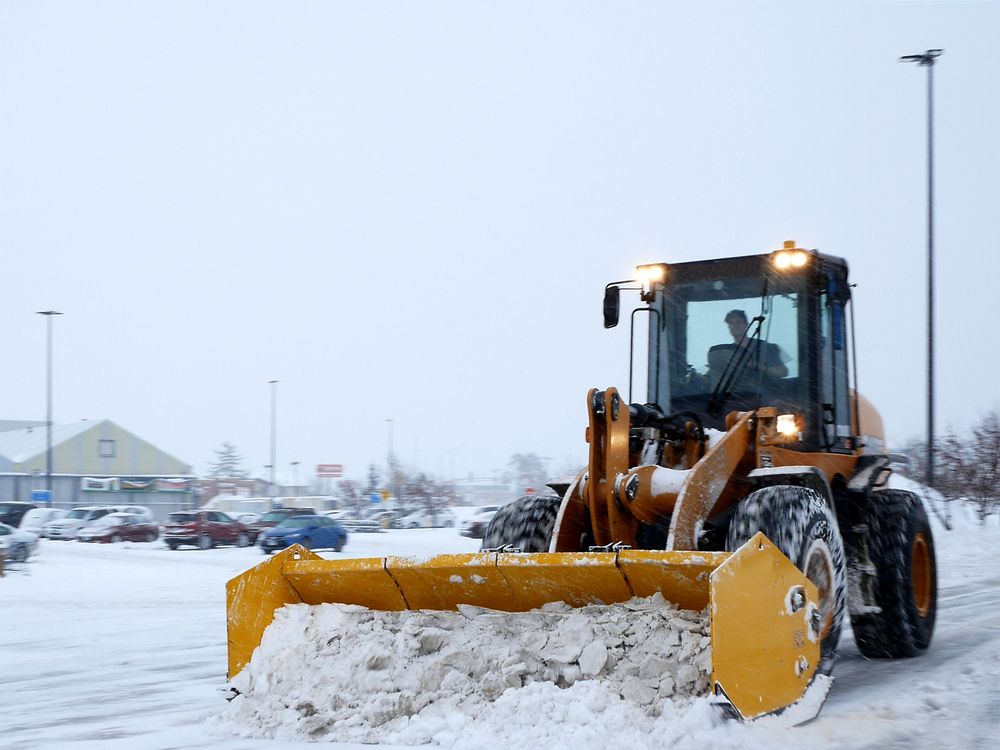
We use dedicated snow equipment instead of retrofitted vehicles. Our teams operate with a singular focus on
snow and ice management. There’s no seasonal overlap or divided attention between services. For clippers, that level of focus matters. De-icing applications are timed for early intervention, and follow-up service is scheduled to address re-freezing after the system passes. Communication with clients begins early and continues until the site is clear. The fast pace of an Alberta Clipper demands a higher level of precision and timing, not a relaxed standard.
Our Proven Strategy for Keeping Properties Safe
Staying ahead of Alberta Clippers takes more than just plowing once snow is visible. Effective snow removal begins well before the system hits, and it doesn't end when the snow stops. Our approach starts with liquid brine applications that create a barrier between pavement and ice. This limits bonding and makes cleanup faster and more effective. When conditions shift quickly, we deploy treated salt and follow up with targeted service to reduce slick spots that develop after the storm has moved through.
Every property is mapped in advance, and service plans are adjusted based on layout, traffic patterns, and the types of surfaces on site. That planning allows our teams to work quickly without missing key areas like loading docks, walkways, or emergency access routes. Instead of waiting for accumulation to trigger a response, our teams are already in motion. That consistency keeps operations moving and helps prevent injuries or delays tied to late or incomplete service.
Stay Ahead of the Next Alberta Clipper
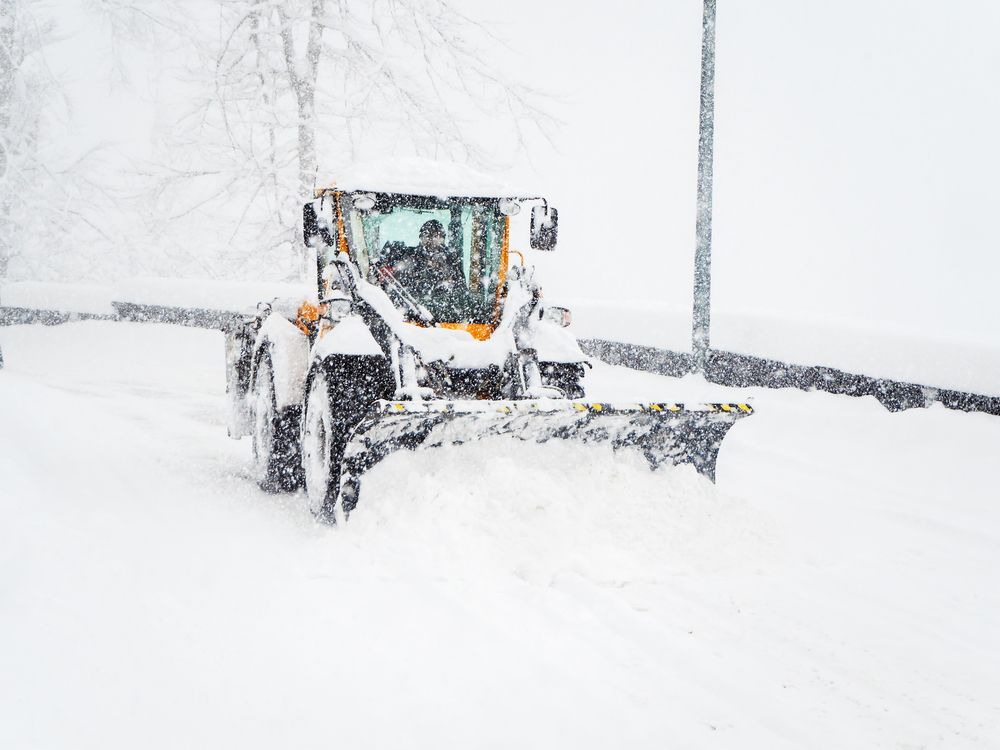
Waiting to react often means reacting too late. The snow may seem minor at first, but wind and rapidly dropping temperatures turn untreated pavement into a slip hazard within hours. Missed service windows, delayed salting, or relying on general maintenance crews can lead to increased liability, service disruptions, and frustrated tenants or customers.
Inconsistent response during fast-moving events also increases long-term surface damage. Without proper de-icing, ice bonds harder to asphalt and concrete, leading to more aggressive scraping or chemical use later. That kind of wear builds up over a season and raises maintenance costs. Reactive response increases exposure across the board and often makes recovery more difficult. Taking action before the clipper arrives gives properties a better chance to remain safe, accessible, and fully operational through every phase of the storm.
Get a Quote Before the Next Storm Hits
Properties that respond early stay open, safe, and easier to manage throughout the winter. When service plans are built for fast-moving systems, staff and visitors move confidently, operations stay on schedule, and surface conditions recover more quickly once the storm clears. Instead of scrambling to react, managers can rely on a team that’s already watching the forecast and ready to move.
Great Lakes Snow Systems helps commercial properties and municipalities stay ahead of snow and ice. Our planning process is built around the patterns that define Midwest winter, including the sudden impact of storms. When your service is timed to match the speed of the storm, downtime shrinks and safety improves.
Let’s build your winter response plan before the next system moves in.
Reach out today to schedule a quote.