Precision Snow Piling: Maximizing Commercial Parking Spaces
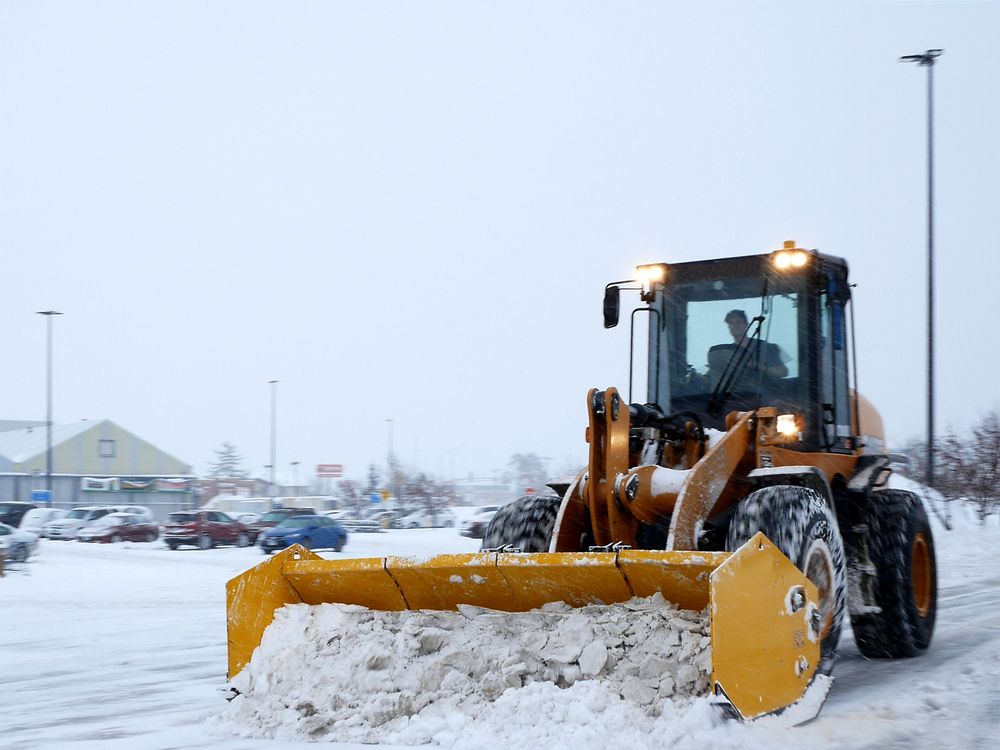
Maximizing commercial parking space during winter starts with strategic snow piling. The location, size, and management of snow storage areas directly affect parking availability, traffic flow, drainage patterns, and property safety throughout the season. Many commercial properties focus on clearing snow after a storm, yet long-term operational challenges often stem from where that snow is placed. Thoughtful planning before winter arrives helps property managers preserve usable space, reduce risk, and maintain efficient site operations even during periods of heavy snowfall.
Snow Pile Placement Starts Before the First Storm
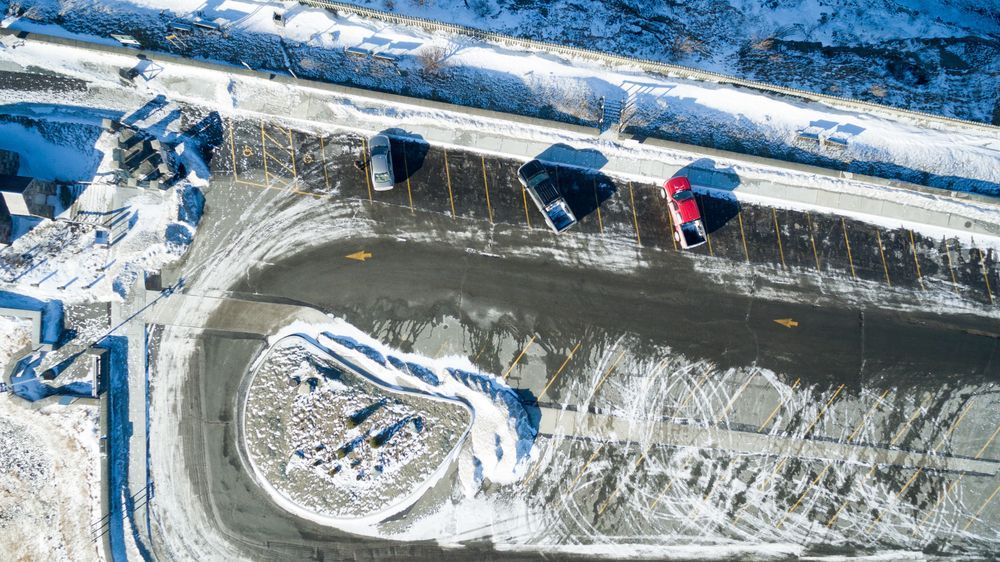
Snow pile placement starts before the first storm by identifying storage areas that protect parking availability, traffic circulation, drainage, and pedestrian access throughout the winter season. For commercial properties, these decisions are most effective when made during preseason planning rather than during weather events.
Property managers often review parking demand, emergency access routes, and site infrastructure when determining where snow can be stored after repeated storms. Designated storage zones help reduce operational disruptions and preserve usable space as accumulation increases. This planning process is also an important consideration when
choosing a commercial snow removal contractor, since long-term winter management depends on understanding how the property functions under changing conditions.
Parking Lot Layouts Shape Every Storage Decision
Parking lot layouts shape every storage decision because the available space, traffic patterns, and site features determine where snow can be stored with the least operational impact. No two properties have the same constraints, which is why snow storage plans should be tailored to each location and operational need.
Common factors that influence snow storage decisions include:
- Parking density and peak occupancy levels
- Entry and exit points for vehicles
- Loading zones and service areas
- Pedestrian walkways and building entrances
- Drainage structures and low-lying sections of pavement
- Emergency access requirements
For
commercial properties and municipalities, evaluating these elements before winter helps preserve functionality, maintain access, and reduce disruptions throughout the season during both routine and significant snowfall events.
Protect Traffic Flow While Preserving Capacity
Traffic flow and parking capacity are protected by placing snow in locations that minimize interference with vehicle movement while preserving as many parking spaces as possible. Effective snow storage balances immediate snow removal needs with the daily demands of a busy property.
Key strategies include:
Storing snow away from primary entrances, exits, and major travel lanes
Using underutilized areas before occupying high-demand parking sections
Maintaining clear sightlines at intersections and pedestrian crossings
When storage locations are selected carefully, drivers can navigate the property more efficiently, parking shortages remain manageable, and winter operations continue with fewer disruptions. These considerations become increasingly important after multiple storms when available storage space begins to shrink.
Meltwater Routes Can Cost More Than Lost Spaces
Meltwater routes can cost more than lost parking spaces because poorly placed snow piles may direct water toward travel lanes, entrances, sidewalks, and drainage systems. As temperatures fluctuate, melting and refreezing can create icy conditions that increase maintenance needs and disrupt normal property operations.
Snow storage plans should account for how water will move across the site throughout the winter. Piles positioned near catch basins, building access points, or low-lying pavement areas can contribute to recurring ice formation and additional treatment requirements. Considering drainage patterns before snow accumulates helps reduce these challenges and preserves safer conditions. In many cases, proper meltwater management has a greater long-term impact on property performance than the temporary loss of a few parking spaces.
When a Snow Pile Becomes a Liability Risk
A snow pile becomes a liability risk when it interferes with visibility, creates recurring ice hazards, restricts access, or affects the safe movement of vehicles and pedestrians throughout a property. These risks often develop gradually as snow accumulates across multiple storms and storage areas continue to grow.
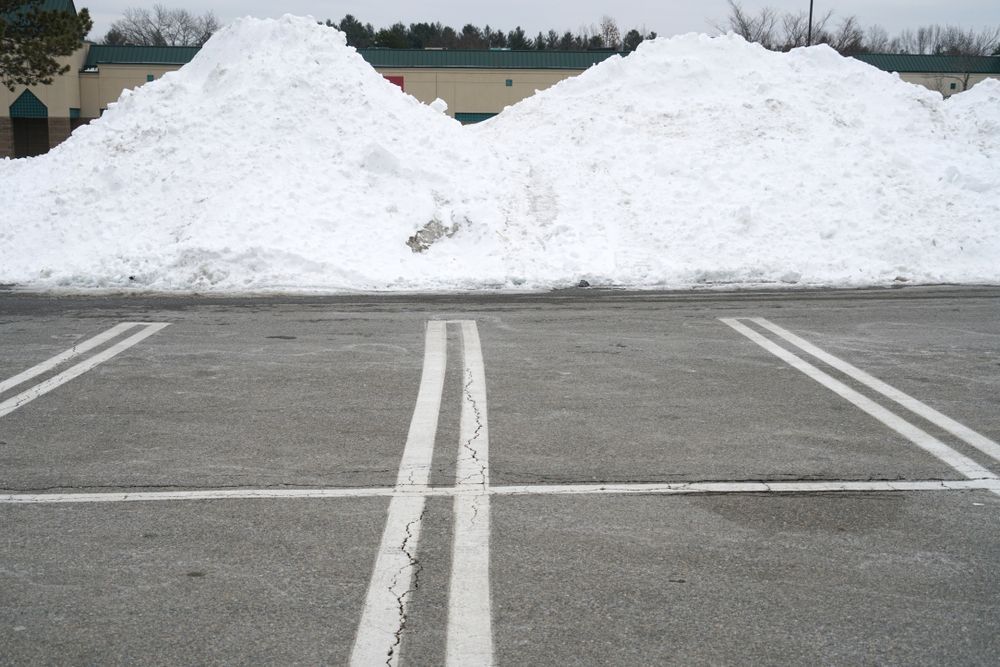
Large piles positioned near intersections, entrances, sidewalks, or high-traffic zones can limit sightlines and contribute to unsafe conditions. Snowmelt may also flow into areas where refreezing occurs, creating additional maintenance challenges.
Regular evaluation of storage locations helps identify emerging concerns before they affect daily operations, enabling properties to maintain safer, more efficient conditions throughout the winter season while reducing exposure to preventable incidents and operational setbacks.
Relocation Strategies for High-Volume Snow Seasons
Relocation strategies become necessary during high-volume snow seasons when on-site storage areas begin reaching capacity and continued accumulation limits property functionality. Moving snow from primary storage zones to secondary locations helps preserve parking availability, maintain traffic circulation, and reduce pressure on critical areas of the site.
Rather than continuing to expand storage piles into active parking areas, many large commercial properties plan for snow relocation as part of their winter operations strategy. This approach can help prevent visibility concerns, access restrictions, and drainage issues that often emerge after repeated storms.
By managing snow volumes proactively, properties can maintain more consistent operations throughout extended periods of winter weather and heavy seasonal accumulation.
Site Engineering Improves Winter Operations
Site engineering improves winter operations by identifying how snow storage, drainage patterns, traffic circulation, and access points interact across a property. When these factors are considered together, snow management decisions can be made with a clearer understanding of their operational impact throughout the season.
Features such as pavement grades, catch basins, loading areas, and pedestrian routes all influence where snow should be stored and how meltwater will move after a storm. This level of planning helps reduce avoidable disruptions and supports more efficient winter operations. Drawing on experience managing large commercial sites,
Great Lakes Snow Removal develops snow and ice management strategies that align with the unique characteristics of each property.
Keep Parking Areas Clear With Commercial Snow Experts
Parking areas remain clearer throughout the winter when snow storage, traffic flow, drainage management, and relocation planning are addressed as part of a coordinated strategy. Thoughtful snow management helps preserve usable space, reduce operational disruptions, and maintain safer conditions during both routine and heavy snowfall events.
Professional
commercial snow removal services bring the planning, equipment, and site knowledge needed to manage these challenges effectively. Working with properties
throughout the Chicagoland area, Great Lakes Snow develops winter management plans tailored to each site's operational needs and physical layout.
To discuss a customized approach for a commercial property or municipal facility,
contact us to request a quote or additional information.