Strategic Deicing Tips to Prevent Ice Salt Corrosion
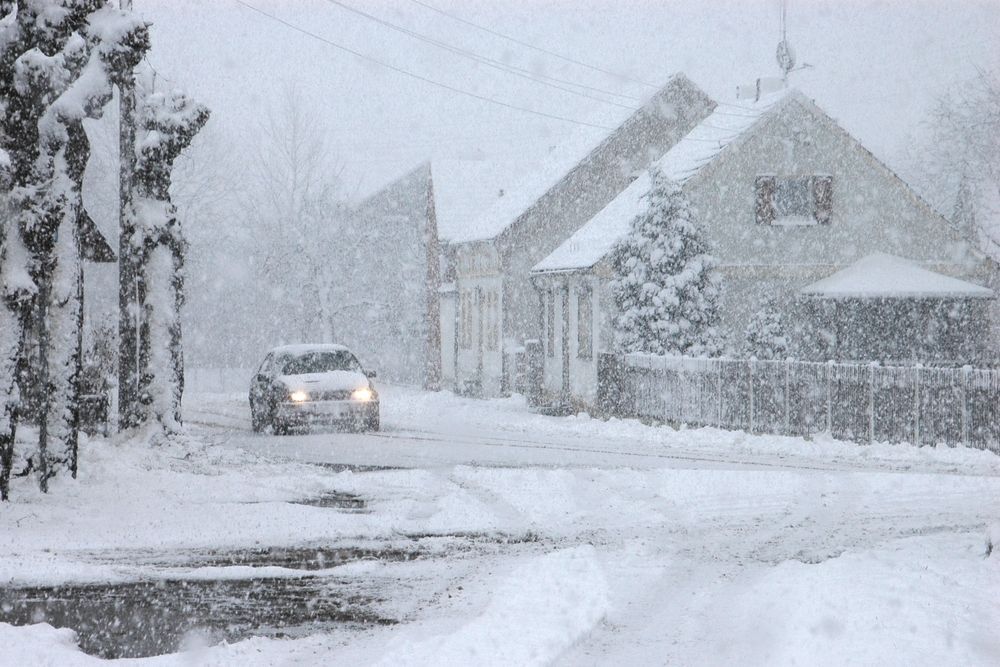
Winter storms leave more behind than snow piles and slick pavement. Across commercial properties, repeated salt applications gradually wear down concrete surfaces, leading to cracks, scaling, and costly maintenance concerns long after temperatures rise. Property managers and municipal teams often face competing pressures to keep walkways safe and protect high-traffic surfaces from seasonal damage. A thoughtful winter response starts with understanding how surface protection, timing, and material selection work together through months of freezing conditions.

Why Ice Salt Damages Commercial Concrete
Concrete surfaces across commercial properties face constant stress during Midwest winters. As ice salt settles into small pores and surface imperfections, melting snow and refreezing temperatures create expansion beneath the surface. Over time, this repeated pressure leads to cracking, flaking, and surface scaling that weakens parking lots, loading zones, and walkways.
Heavy vehicle traffic adds another layer of strain, especially in high-volume commercial areas. Many property managers focus on immediate slip prevention during storms, but long-term surface deterioration often develops season after season. Poor drainage patterns and inconsistent winter maintenance can accelerate corrosion across aging pavement.
Thoughtful deicing strategies help reduce these issues while maintaining safer access throughout winter operations.
Spot Early Signs of Salt Corrosion Fast
Salt corrosion rarely appears all at once. Early warning signs often develop gradually across high-traffic commercial surfaces after repeated winter storms. Catching smaller issues early can help reduce larger repair concerns before spring arrives and disrupts normal property operations.
- Fine surface cracks are forming near parking stalls, curbs, or loading areas
- Flaking or chipping of concrete after repeated freezing temperatures
- White salt residue is collecting along expansion joints or drainage paths
- Uneven pavement surfaces that trap standing water during thaw periods
- Rust staining near reinforced concrete sections exposed to heavy moisture
- Loose surface texture is developing in frequently plowed traffic lanes
Routine winter inspections help commercial properties respond before structural damage spreads across larger pavement areas.
Choose Smarter Deicing Methods for Safety
Winter surface safety depends on more than spreading large amounts of salt before a storm. Commercial properties often see better long-term pavement performance when deicing methods are adjusted based on temperature, traffic patterns, and surface conditions. Careful planning also helps reduce unnecessary material buildup across concrete surfaces and pedestrian access points.
- Use targeted application zones near entrances, ramps, and loading docks
- Monitor pavement temperatures before applying ice control materials
- Combine mechanical snow removal with lower-volume salt applications
- Prioritize melting ice on sidewalks with treated products designed for pedestrian areas
- Address drainage problems that create recurring refreeze conditions
- Schedule routine site inspections throughout prolonged winter weather events
Smarter winter response planning helps commercial properties maintain safer conditions while reducing long-term surface wear.
Use Treated Salt to Reduce Concrete Damage
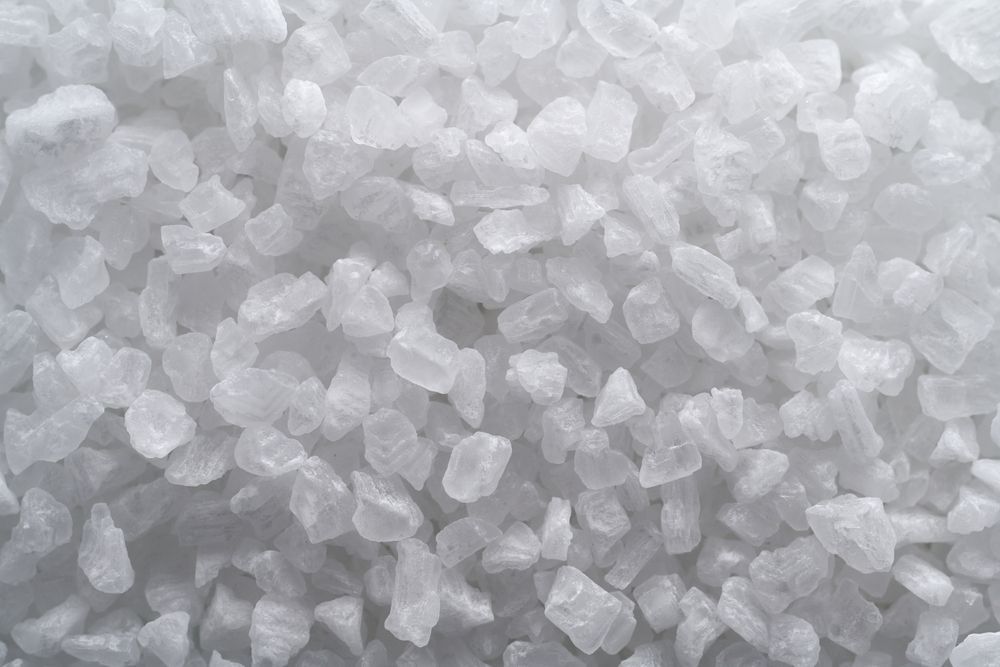
Commercial winter crews often adjust material selection based on pavement conditions, storm timing, and traffic volume. Treated salt applications have become increasingly common across large properties because they help reduce surface stress while maintaining safer walking and driving conditions.
| Standard Rock Salt | Treated Salt Applications |
|---|---|
| Activates more slowly in lower temperatures | Performs more effectively during extreme cold |
| Often requires heavier application rates | Uses lower application volumes across large properties |
| Leaves higher chloride buildup on pavement surfaces | Helps reduce excess surface residue after storms |
| Refreezing conditions develop more quickly | Longer-lasting performance during ongoing winter weather |
| Increased moisture penetration into concrete pores | Reduced surface saturation during thaw cycles |
Many commercial properties now use treated salt applications to balance pedestrian safety with long-term pavement preservation. Careful material selection can help reduce seasonal wear across parking lots, entrances, and municipal access areas.
Protect Parking Lots From Freeze-Thaw Cycles
Parking lots across commercial and municipal properties face repeated expansion and contraction throughout winter. As snow melts during daytime temperatures and refreezes overnight, trapped moisture pushes against concrete and asphalt surfaces from within. Small cracks gradually widen under traffic pressure, especially near entrances, drainage areas, and loading zones.
Poor water runoff can intensify these conditions by allowing standing moisture to settle into weakened pavement sections. Consistent winter maintenance helps reduce long-term structural wear before larger surface failures appear in spring.
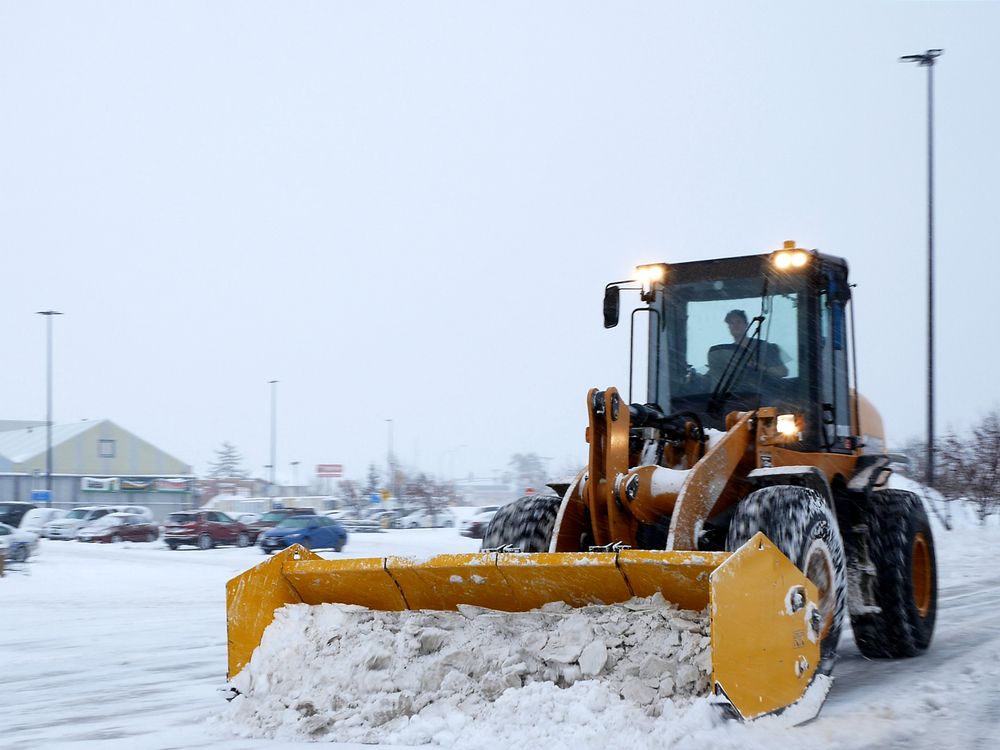
Many commercial properties also combine strategic plowing routes with targeted ice salt applications to limit unnecessary moisture buildup during prolonged freezing conditions and heavy seasonal traffic across large parking areas during extended periods of fluctuating Midwest winter temperatures.
Build a Proactive Commercial Deicing Plan
Large commercial properties often face shifting winter conditions that change from storm to storm. A proactive response plan helps reduce reactive decision-making while keeping parking areas, loading zones, and walkways safer throughout the season.
1. Monitor pavement conditions before winter storms impact high-traffic commercial access areas.
2. Coordinate deicing schedules with
commercial snow removal services during active winter events.
3. Inspect drainage patterns and recurring refreeze zones after major snow accumulation periods.
Consistent planning helps commercial properties manage winter operations with fewer disruptions, lower long-term pavement stress, and more reliable surface conditions across heavily traveled areas. Strong communication between maintenance teams and winter crews also helps properties respond faster during changing overnight weather patterns.
Avoid Costly Repairs With Expert Ice Control
Winter surface damage often develops slowly across commercial properties before larger repair costs become visible. Small cracks, uneven pavement sections, and recurring refreeze areas can spread through repeated exposure to moisture, traffic pressure, and harsh winter conditions.
Property managers balancing safety concerns with maintenance budgets often benefit from consistent
snow and ice management strategies that account for both immediate hazards and long-term pavement performance. Careful material application, ongoing site monitoring, and coordinated winter response planning all contribute to more stable surface conditions throughout the season.
Over time, proactive ice control planning can help commercial properties reduce disruptions, preserve pavement integrity, and maintain safer access during severe Midwest weather and prolonged seasonal freezing conditions.
Schedule Commercial Deicing Services Today

Winter conditions rarely follow a predictable schedule across large commercial properties. Parking lots, loading areas, sidewalks, and municipal access points often face changing surface conditions that can shift throughout a single storm. Long-term pavement performance depends on more than short-term winter response decisions. Consistent planning, careful material selection, and coordinated site monitoring all play a role in reducing seasonal surface deterioration over time.
Great Lakes Snow Systems works with commercial properties and municipalities throughout the Chicagoland area to manage winter conditions with a focus on safety, pavement preservation, and reliable response planning.
Contact us to discuss commercial deicing strategies, schedule seasonal service planning, or request more information for upcoming winter operations.