Winter Preparedness Checklist for Northern Illinois Businesses
Northern Illinois winters can disrupt commercial properties through snow, freezing rain, refreezing pavement, and reduced parking or access. A practical winter storm preparedness checklist addresses these risks before the first storm arrives. By identifying priority areas, snow storage locations, ice treatment needs, and communication procedures in advance, property managers can create a clear plan for keeping their sites accessible and operational throughout winter.
Walk Your Property Before Winter Hits
A preseason property walk can uncover issues that become harder to address once snow covers pavement, curbs, and other site features. Note entrances, loading areas, fire lanes, accessible routes, drains, hydrants, gates, and other high-traffic locations. Documenting these areas also helps establish clear service expectations before winter weather begins.
Mark the Areas Crews Must Keep Open
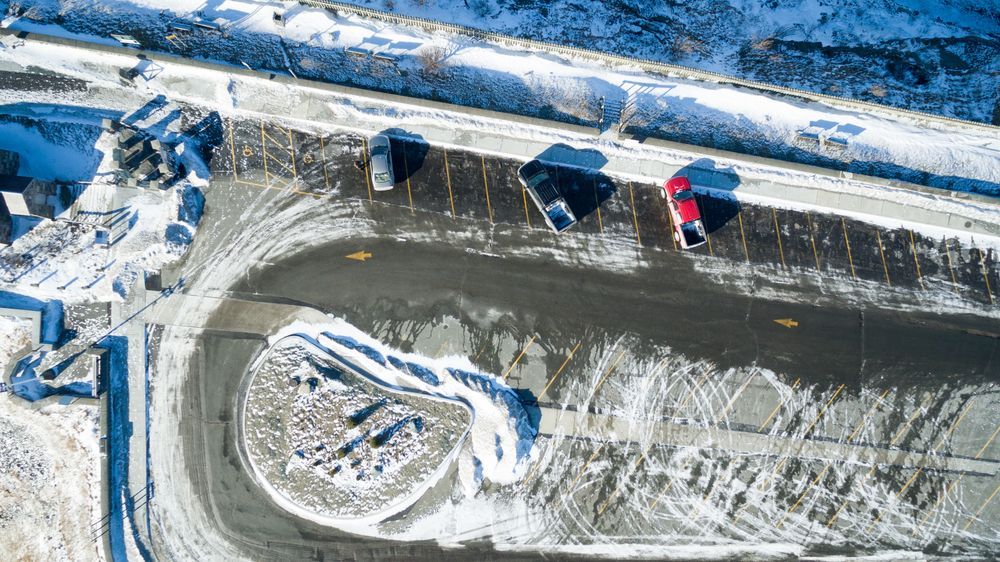
Identify the routes that require consistent access during a storm, then mark obstacles that may disappear beneath accumulating snow. Curbs, medians, parking islands, speed bumps, utility structures, and loading zones should be clearly documented. Pay particular attention to fire lanes, accessible parking and routes, employee entrances, delivery areas, and other locations tied to daily operations. A site map can help snow crews identify these priorities when visibility and pavement markings are limited.
Choose Safe Areas for Initial Snow Storage
Select snow storage locations before the first plowable event rather than deciding after piles begin to form. Suitable areas should limit interference with parking, vehicle sightlines, pedestrian routes, loading areas, fire hydrants, and drainage. Consider how each pile may expand through several storms and where melting snow will travel during warmer periods. Planning initial storage with future accumulation in mind can reduce operational problems and simplify snow relocation later in the season.
Set Service Priorities for Every Storm
Snow crews need clear priorities based on how a property functions during winter weather. Those priorities can differ across the industries Great Lakes Snow serves, so establish which areas need attention first before the season begins. Consider ranking locations such as:
- Main entrances and high-traffic access roads
- Fire lanes and emergency access points
- Loading docks and delivery routes
- Employee entrances, parking areas, and pedestrian routes
Timing matters as well. A distribution facility with overnight deliveries may need a different service sequence than an office complex opening in the morning. Establishing priorities in advance helps crews focus on the areas most closely tied to safe, continuous operations.
Confirm Your Snow Contractor Has the Right Capacity
A contractor’s capacity matters most when a widespread storm puts crews, equipment, and materials under pressure at the same time. Before winter, ask what resources are assigned to the property, how service schedules are managed during prolonged events, and what contingency plans are in place for equipment problems or staffing changes.
For large properties,
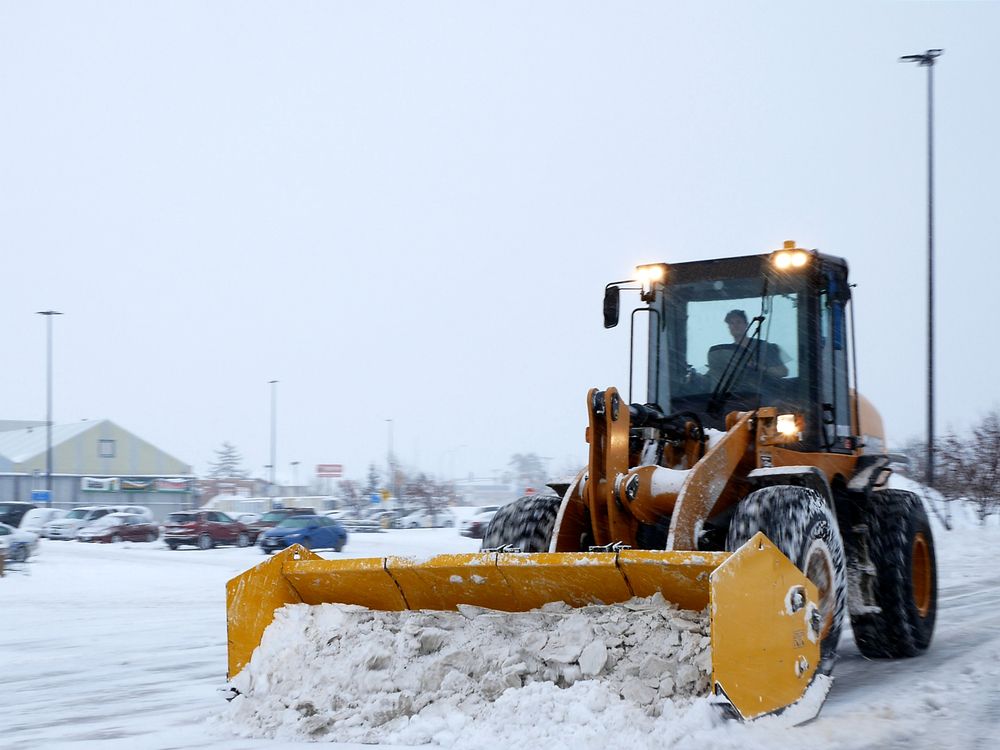
commercial snow removal also depends on using equipment suited to the site. Dedicated snow equipment can keep large parking areas, access roads, and loading zones moving efficiently. Confirm that the contractor has the staffing, machinery, deicing materials, and operational planning needed to manage the property throughout the season.
Plan Ahead for Ice, Not Just Snow
A property can become hazardous without enough snowfall to trigger plowing. Freezing rain, overnight refreezing, and melting snow can create slick pavement and walkways between snow events. A winter plan should account for these conditions by identifying high-risk areas and establishing when commercial ice management treatments should begin.
Anti-icing and deicing may include treated salt and liquid salt brines applied before, during, or after winter weather based on conditions. Using the right treatment at the right time can address slippery surfaces while reducing unnecessary chloride use. Pay close attention to entrances, pedestrian routes, shaded pavement, loading areas, and locations where meltwater commonly refreezes.
Decide Who Makes the Call When Conditions Change
Storm conditions can shift quickly, especially when snowfall lasts longer than forecast or temperatures create unexpected icing. Establish a communication process before winter so property managers and snow crews know who can approve changes to the service plan.
- Name a primary contact: Choose one person who can communicate property priorities and authorize changes.
- Select a backup: Identify someone with the same authority when the primary contact is unavailable.
- Define approval decisions: Clarify who can authorize added ice treatment, snow relocation, or changes in service priorities.
Clear decision-making reduces delays when conditions change and keeps crews focused on maintaining safe access across the property.
Maintain Access During Active Snowfall
Long-duration storms may call for repeated service before the snow stops. Identify the routes that need ongoing attention so vehicles and pedestrians can continue moving through the property. Main entrances, fire lanes, loading areas, high-traffic drive lanes, and key walkways may take priority while accumulation continues.
Plan around operating hours, employee shift changes, deliveries, and other scheduled activity that affects access. Crews can then focus on keeping priority routes passable before completing a more thorough cleanup after snowfall ends. This approach helps commercial and municipal properties remain functional throughout extended storms while reducing the buildup crews must address during final clearing.
Know When Snow Piles Require Relocation
Initial snow storage areas can lose their usefulness as storms accumulate throughout the season. Property managers should monitor piles and schedule relocation before they begin interfering with normal site operations. Warning signs include:
- Reduced parking or blocked parking spaces
- Limited visibility near entrances and intersections
- Obstructed fire hydrants, walkways, or loading areas
- Drainage problems during melting and refreezing
- Insufficient space for the next storm
Snow may be moved to another designated area on-site or hauled away when space becomes limited. Planning for relocation in advance prevents growing piles from restricting access and preserves usable space for employees, customers, deliveries, and emergency vehicles.
Build Your Winter Plan With Great Lakes Snow
A strong winter plan starts before storms enter the forecast. Walk the property, establish service priorities, and coordinate with a snow contractor that has the resources to manage changing conditions. These steps create a practical winter preparedness checklist for business operations and reduce last-minute decisions when snow or ice arrives.
Great Lakes Snow Systems provides
commercial snow removal across Chicagoland for commercial properties and municipalities, backed by dedicated snow equipment and professional service. Prepare your property before winter weather creates operational challenges.
Contact Great Lakes Snow Systems to schedule a quote or call for more information about building a complete snow and ice management plan.